
IoT Water Technology Explained: From Sensors to Savings
Efficient water management is pretty essential now. Several residential buildings and housing societies, as well as facilities, are trying to adopt effective water management. However, manual control is not an option. This is because manual management can result to water overflow, shortage and will definitely take a long time. This is when IoT Water Technology comes into the picture. It can be applied to solve all these issues. This also helps achieve real-time visibility and data-based control.

What Is IoT Water Technology?
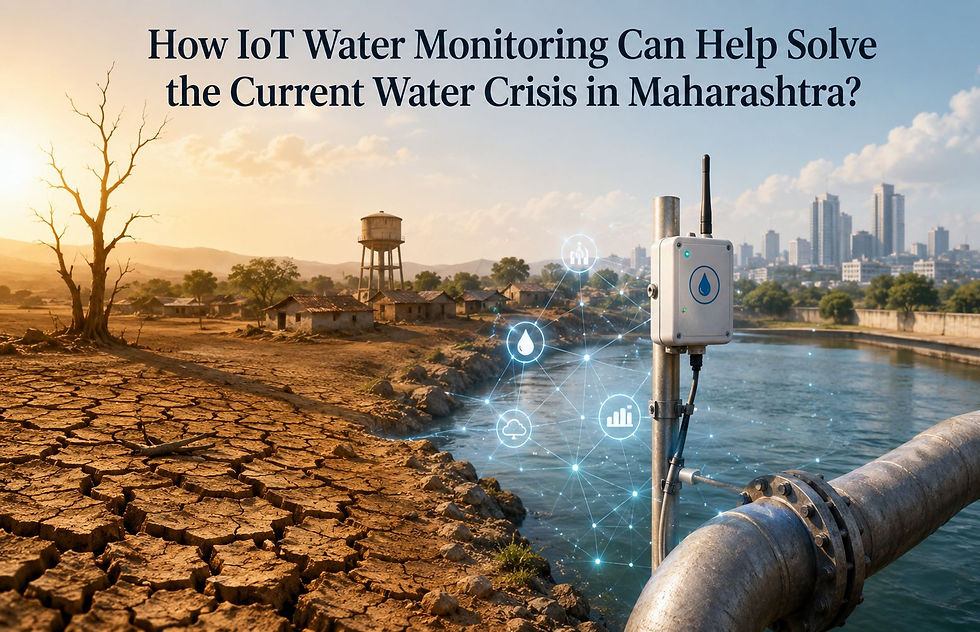
IoT Water Technology is one of the most common terms that is used today. It uses interconnected devices and digital systems. This way, it contributes to the management and control of water resources. The sensors collect the information and then relay it to a central platform.
This is a very useful technology. Do you know why? Why, it is because it reduces the dependency of human beings and increases accuracy.
Functions of Sensors in Smart Water Systems
IoT-based water monitoring is sensor-based. They address the situation of water on a continuous basis. Take a look at the functions of a water level sensor.
Accurate Water Measurement
All the sensors help to check the water level inside the tanks accurately. This way, they can eliminate errors and wrong estimation issues that would have happened during manual check.
Continuous Monitoring
The measurements of water are continuous all day. It is possible to monitor the state of the systems throughout the day.
Early Issue Detection
Flow levels are altered immediately to find out leaks, overflow, or abnormal usage patterns.
It is relevant that a water level sensor is used in controlling storage tanks.
The Process of Data Transfer to Digital Platforms
The sensor data is safely transferred to an online platform. This makes water information easily available. This, on its part, allows users to access real-time data. Users can also check previous trends without any technical trouble.
Advantages of Real-Time Water Monitoring
With IoT Water Technology, it is possible to monitor water in real-time. Users can have an understanding of its availability at any moment. Key benefits include:
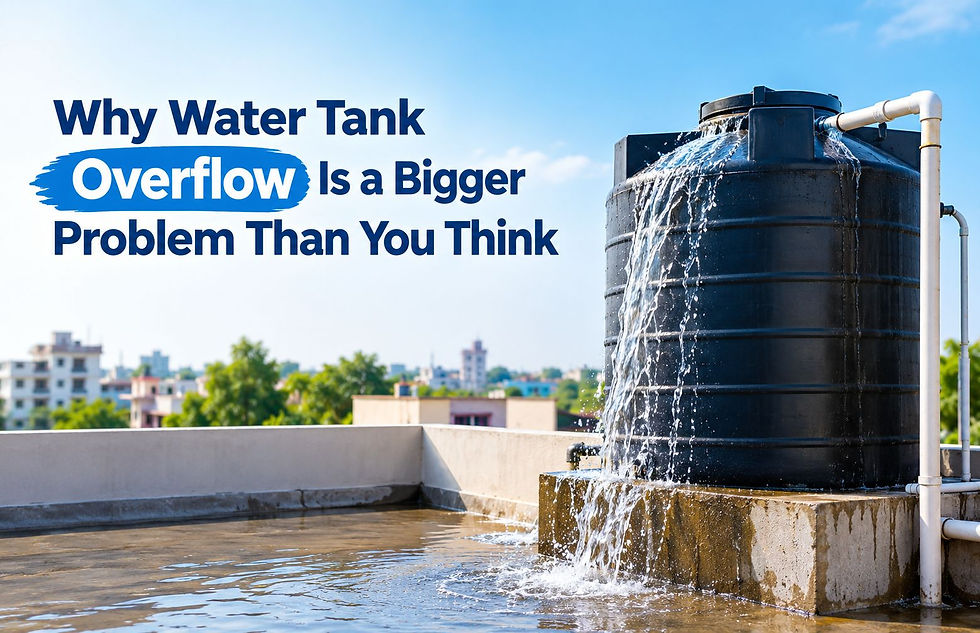
Tank overflow is prevented by constant check-ups, implying an increase in the water level immediately.
When the water levels are low, it is spotted at an early stage before the supply is disrupted.
Pumps are operated with the required dynamism, which reduces unnecessary take-off and power.
In these, a Water Level Sensor would be useful.
Automated Alerts and Their Relevance
The automated alerts eliminate the need to be monitored at all times.
Warn in case the water levels fall below the allowable levels to implement corrective actions.
The alerts will prevent wastage of water because the user will be alerted before the tanks are filled.
The damage is lessened by capsules regarding pumps due to dry running or overuse.
A water level sensor will give real-time alerts on a case-by-case basis.
Knowing about Water Usage by Data
The data based on time will help the users understand the consumption behavior. With this kind of information, there is a better way of planning and saving.
● Daily Usage Patterns
Statistics indicate the time of peak consumption and low demand.
● Seasonal Demand Trends
The comparison of the monthly usage is carried out to be prepared in case of high-demand times or summer.
● Leak Identification
Other signs of leakage or lack of efficiency of the system are the bursts of unexpected water consumption.
The IoT Water Technology processes raw data and develops it into meaningful information.
Helping Sustainable Water Practices
Sustainability is based on knowledge and management. The installed systems through the IoT encourage the responsible use of water.
● Reduced Water Wastage
Constant supervision gets rid of wastage, spillage, and leakage.
● Enhanced Storage Control
The level information will be properly put in place to ensure that the water that is stored will not go to waste.
● Conservation Awareness
The observable usage would encourage the conscious consumption of water.
The IoT Water Technology helps in the long-term goals of saving water.
Conclusion: Why IoT Water Technology Is Going to be Necessary
The IoT Water Technology will be able to offer stable monitoring, faster response, and audible information. Such a transformation helps the users to manage water more efficiently. It also assists in reducing risks, costs, and wastage during the day-to-day activities.
Comments